
Head-to-head · Home vs Industrial
Clone Alpha vs Kawasaki Kaleido 9
Kawasaki Kaleido 9 has the stronger public evidence base, with an Arena rating 164 points above Clone Alpha.
Who wins? Cast your vote
people's ranking →Which one would you trust around your kids?
Save your votes and get alerts when these robots ship or change price.Sign in
| Clone Alpha | Kawasaki Kaleido 9 | |
|---|---|---|
| Company | Clone Robotics | Kawasaki Heavy Industries |
| Country | Poland / United States | Japan |
| Status | Prototype | Prototype |
| Price | No public price | Not for sale |
| How to get one | Waitlist | Not for sale |
| Arena rating | ||
| Evidence | C- | C- |
| Height | n/a | 190 cm (6 ft 3 in) |
| Weight | n/a | 99 kg (218 lb) |
| Payload | n/a | 30 kg (66 lb) |
| Runtime | 1.5 h | 3 h |
| Degrees of freedom | 200 DoF | n/a |
| Hand DoF | 26 DoF | n/a |
| Top speed | n/a | 5 m/s (18 km/h) |
| Hands | Clone Hand with Myofiber artificial muscles. Reports vary: 26 degrees of freedom in each hand/wrist/elbow (Protoclone) and 27 DoF for standalone Clone Hand. Human-level grip force claimed. | No detailed hand specifications were found. A disaster rescue demonstration description mentions 'shiny fingers' and gently picking up a toy cat, but hand DoF or tactile capabilities are not disclosed. |
| Announced | 2025-02-20 | 2025-12-03 |
Capability evidence, side by side
score per dimension, 0-100Manipulation
Autonomy
Mobility
Perception
Human interaction
Reliability
Human-environment fit
Clone Alpha
Kawasaki Kaleido 9
Arena matchup result
overall human like capabilityResult
Kawasaki Kaleido 9
Low
Clone Alpha wins
0%
of validated votes
Kawasaki Kaleido 9 wins
100%
of validated votes
Insufficient
0%
tracked separately
Current evidence comparison for Clone Alpha and Kawasaki Kaleido 9.
Clone Alpha
Clone Robotics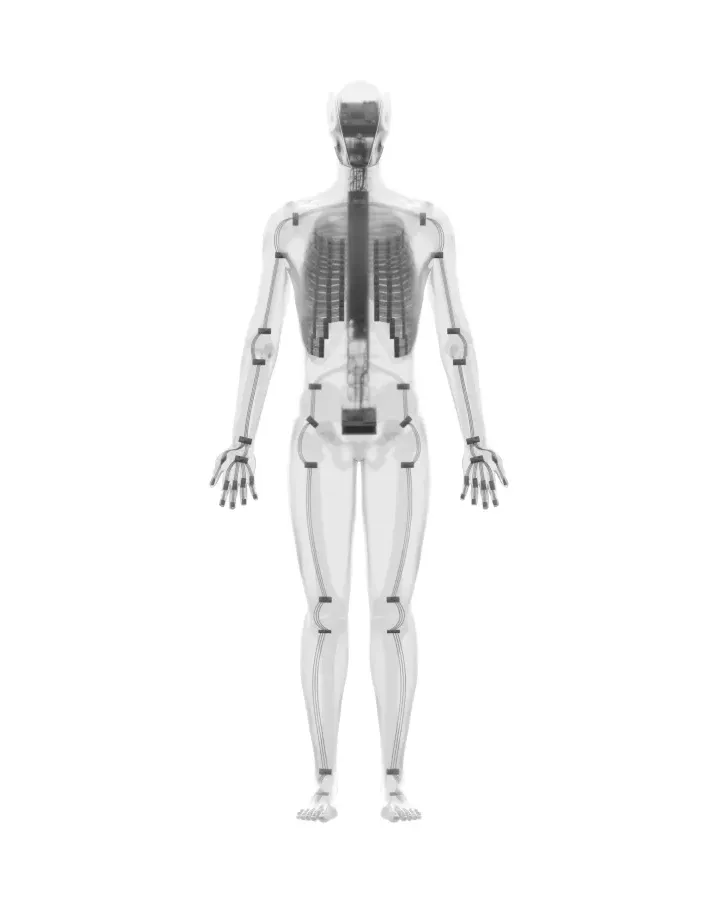
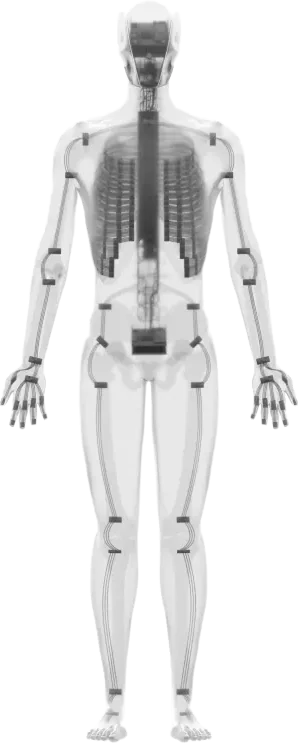
Clone Alpha is Clone Robotics' prototype bipedal humanoid that uses water-powered Myofiber artificial muscles instead of electric motors. The company accepts reservations for 279 units but has not demonstrated a complete robot. Specs (200+ DoF, 4 depth cameras, 70 inertial sensors, 320 pressure sensors, NVIDIA Jetson Thor) come from media reports. No walking, task execution, or autonomy has been shown. A $20,000 target price is mentioned but not official. Evidence is weak and primarily company claims at tier 1
Kawasaki Kaleido 9
Kawasaki Heavy Industries
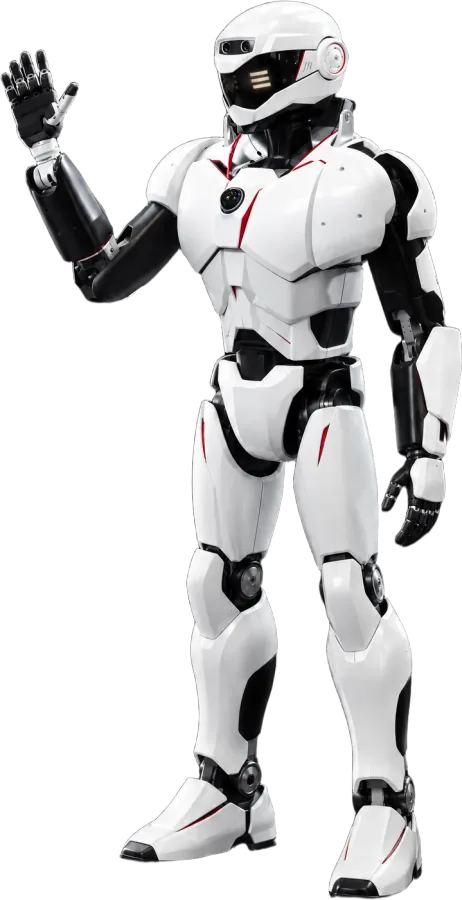
Kawasaki Kaleido 9 is a 190 cm, 99 kg bipedal industrial humanoid prototype, publicly unveiled at iREX 2025 and still in the testing phase. Humanoid.guide lists a stated 30 kg payload, up to 5 km/h speed, and up to 3 hours runtime, but Robot Overflow conflicts on several specs and says Kawasaki has not published official battery or speed figures. A textual disaster rescue description says it gently picked up a toy cat, and Humanoid.guide confirms walking stairs and sorting goods as capabilities, with low manipulation and navigation scores. Current autonomy is not demonstrated; VR headset teleoperation is listed, and Ground News reports a 2030 plan for full autonomy using Noetra physical AI. The robot is not for sale and has no commercial deployment or named customer
Clone Alpha vs Kawasaki Kaleido 9 FAQ
answers from sourced dataWhich is better, Clone Alpha or Kawasaki Kaleido 9?
On public evidence, Kawasaki Kaleido 9 currently rates higher (882 vs 718). The better choice still depends on the job: compare availability, price and the capability rows above.
Can you buy the Clone Alpha or the Kawasaki Kaleido 9?
Clone Alpha: waitlist. Kawasaki Kaleido 9: not for sale.